Digital Transformation Story in the Home Appliances Industry
FEMAŞ Group Succeeded

About the Company
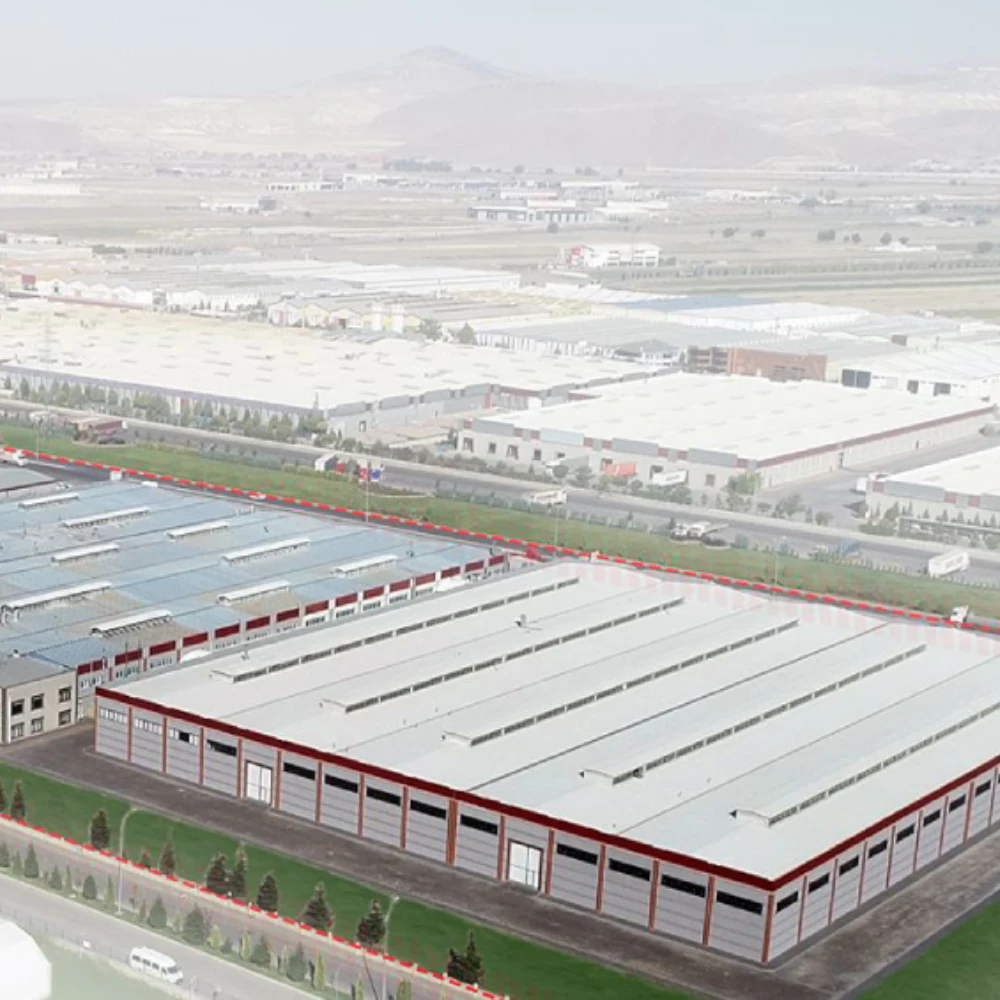
FEMAŞ Group, established in 1988 in Kayseri, is an innovative and international Turkish industrial powerhouse with over 45 years of industrial experience. Boasting a wide product portfolio that includes built-in ovens, hobs, hoods, and midi ovens, the company operates across Istanbul and Kayseri with a total of 175,000 m² open and 250,000 m² indoor production area. FEMAŞ Group stands out in the home appliances industry with its strong production capacity and extensive export network. By implementing the ProManage MES system in its digital transformation journey, the company has begun managing its production processes with real-time data, increasing shop floor transparency, and fostering a data-driven manufacturing culture.

Reasons for Need
The starting point for FEMAŞ Group’s digitalization journey was the need to make production processes more transparent, measurable, and manageable. In a structure characterized by long production lines, diverse operations, and numerous stations, the company aimed to achieve better coordination both within and between stations.
Prior to digitalization, there was a clear need for greater visibility regarding the real-time status of production: where products were located, how efficiently machines were performing, and the extent to which resources like labor and energy were being optimized. Consequently, FEMAŞ aimed to move the entire factory into a digital environment, replacing manual and fragmented data flows with real-time monitoring and process transparency.
In this context, the company sought to establish a “common language” on the shop floor, defining this language as “data.” The goal was to capture accurate, real-time data from the field to monitor production performance, downtimes, potential bottlenecks, and the root causes of problems through a single unified dashboard. Through this transformation, FEMAŞ Group aimed to shift from estimates to data-backed decision-making, optimize resource utilization, and make operational processes more efficient, traceable, and sustainable.
Motivation for Choosing and Important Details
In its search for a digitalization solution, FEMAŞ Group focused on selecting a system that best fit its specific production needs, was practical for the shop floor, and provided solutions to real-world problems.
- Need-Oriented Approach: Rather than choosing the solution with the most modules, the company looked for a solution that directly addressed its unique production structure and actual challenges.
- Field Applicability: Recognizing that capturing accurate data from the shop floor is critical for success, the system’s ease of implementation in the production area was prioritized.
- User-Friendly Interface: A key criterion was an interface that operators could use without confusion, grasp quickly, and easily integrate into their daily workflows.
- Collaboration and Partnership: The solution partner’s ability to respond quickly to needs, evaluate change requests collaboratively, and manage the process through mutual cooperation was influential in the selection.
- Cultural Alignment: FEMAŞ Group viewed digitalization not merely as a software investment, but as a step toward establishing data as the common language on the shop floor and transforming the workplace culture.
Personal Experiences
The most significant experience for FEMAŞ Group during the digital transformation was establishing new working habits to capture accurate data from the field. Operator adaptation, cultural change, and the experience of seeing the “true reality” through data were the highlights of this journey.
- Overcoming Resistance: Initially, operators expressed concerns such as “Are you going to spy on us?” This was overcome by explaining that the system is not a surveillance tool but a means to make work more visible and manageable.
- Pilot Application: To facilitate change, specific machines were selected as pilots. The project team worked on-site with operators for approximately two weeks to use the system together.
- Collaborative Learning: Shift starts, job selections, and downtime/scrap entries were performed alongside operators. Errors were corrected constructively, ensuring the system was fully embraced.
- Field Feedback: Suggestions and critiques from operators were taken into account, encouraging the shop floor team to take ownership of the project.
- Empathetic Solutions: Practical solutions were developed for employees who struggled with the system; for example, downtime codes were supported with visuals to simplify data entry.
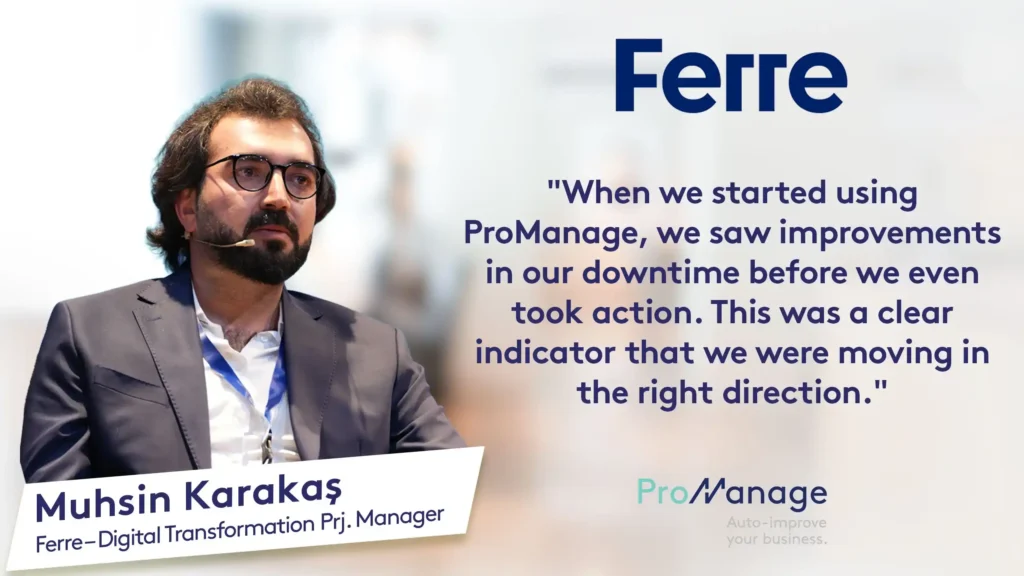
- Seeing the Reality through OEE: OEE data made visible through ProManage led to a reassessment of existing assumptions regarding production performance. This process highlighted the need to review cycle times with real data and strengthened the habit of acting based on facts.
What Has ProManage Delivered?
FEMAŞ Group achieved significant gains through ProManage:
- Productivity Boost (OEE): A 10% efficiency increase was achieved in production processes in a short period. Updating cycle times with real data and identifying bottlenecks instantaneously were key drivers of this growth.
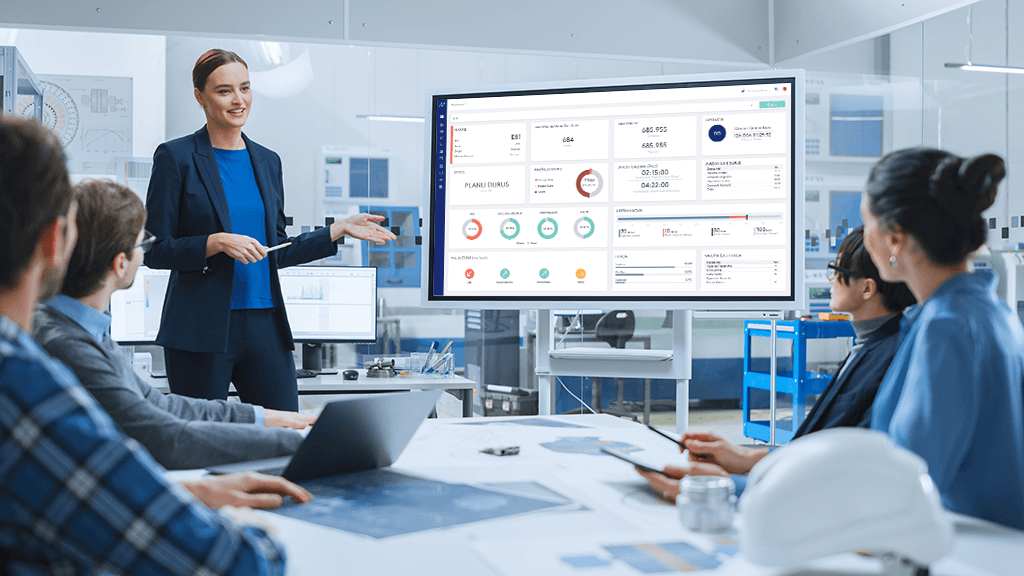
- Rapid Information Access: Instead of physical checks, phone calls, or paper flows, data from various machines and production lines are now monitored via digital screens, significantly increasing the speed of information access and action.
- Data-Driven Decision Culture: “Estimates” and “assumptions” have been replaced by real data. By identifying the root causes of problems on a single screen, the company has begun taking much faster and more accurate actions.
- Reduction in Paper Usage: Paper-based tracking in production has been gradually phased out, resulting in a more organized and traceable structure through digital data collection and reporting.
- Harmonious Work Environment: Increased transparency allowed operators to make their own success and efforts visible, fostering mutual trust and a more peaceful working environment.
- Automated Reporting: Production, downtime, and efficiency reports are now automatically sent to relevant departments at the end of each shift. This allows production, planning, quality, maintenance, and automation teams to evaluate performance using the same set of data.
- Return on Investment (ROI): The rapid data flow and the ability to intervene more quickly led to increased efficiency and profitability, allowing the investment to pay for itself in a very short time.
Discover Digital Solutions
Tailored to Your Industry